All Categories
Featured
Table of Contents
Business application modernization refers to upgrading and preserving tradition systems to leverage modern-day innovations and architectures. This is crucial in today's business environment, where to keeping a competitive edge. (EAM) includes re-engineering, re-architecting, or otherwise transforming tradition systems to integrate with modern IT environments.
Unlike routine software updates, which concentrate on minor enhancements and spots, EAM includes, frequently resulting in a more nimble, scalable, and future-proof system. Traditional updates are reactive, addressing instant needs, while modernization is proactive, ensuring long-term system viability. NewsvFunction signs up with AWS ISV Workload Migration Program For enterprises, application modernization is not simply an optionit's a need.
Improving these systems enables enterprises to boost scalability, enhance security, and, ensuring they stay in a quickly developing market. A worldwide financial institution just recently improved its core banking system, resulting in a 15% to 20% boost in customer fulfillment. This highlights the tangible benefits that modernization can provide, driving both functional effectiveness and client engagement.
Here's a more detailed look at the advantages that modernization brings to large-scale organizations. Enterprise application modernization substantially improves the speed and performance of service processes.
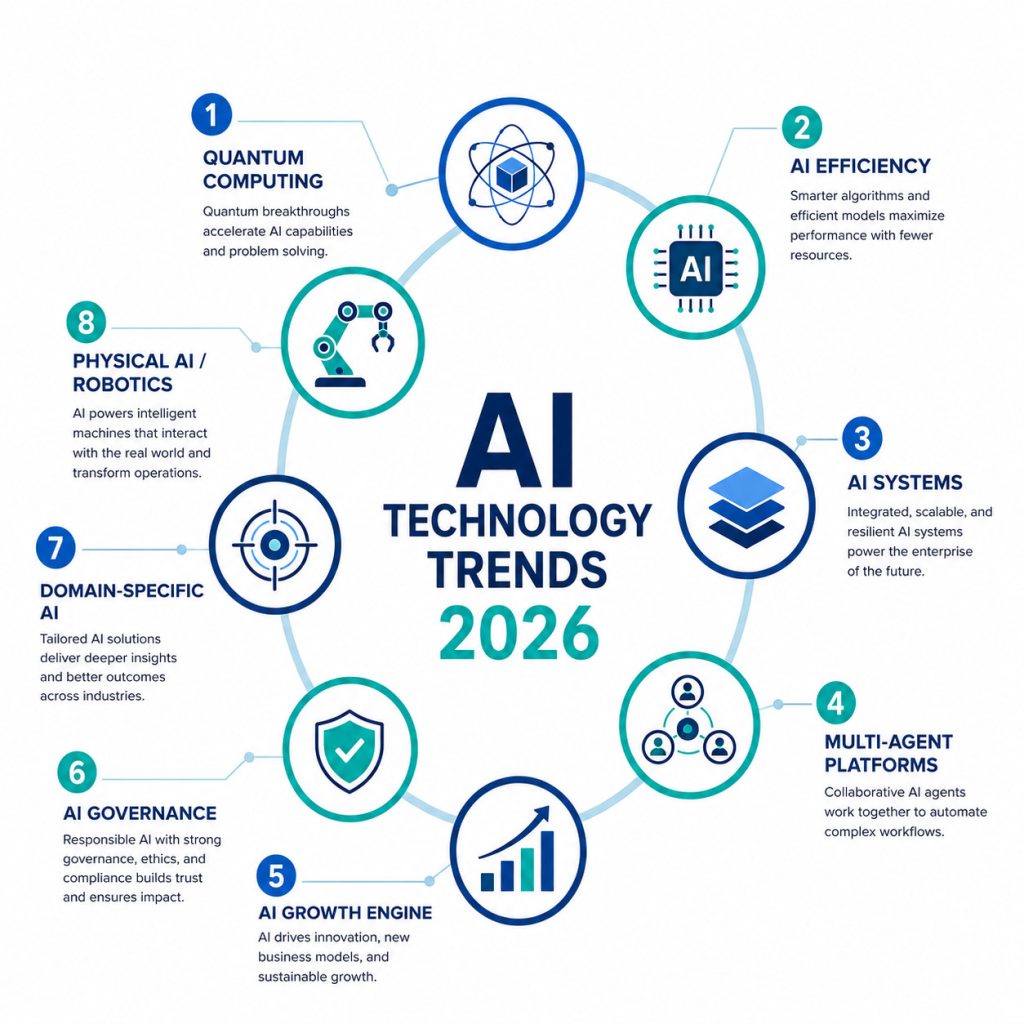
Critical Modernization Trends for 2026
With enhanced analytics, businesses can determine patterns, enhance procedures, and anticipate client requires more precisely, driving much better results. Up-to-date enterprise applications frequently include and structured reporting features.
Among the most tangible benefits of enterprise application modernization is the decrease in operational costs. Organizations can accomplish by enhancing resource usage and automating regular jobs. Additionally, modernized systems typically need less maintenance and are more durable, leading to lower maintenance costs, less disturbances, and further expense decreases gradually.
This not just increases client complete satisfaction but.Enterprises that prioritize modernization in customer-facing applications can anticipate to see higher engagement and commitment, translating into better service performance. Lastly, in business application modernization, the developer experience is becoming as criticalif not more sothan the customer experience. Developers are building, keeping, and evolving the software application that serves consumers, so their ability to work effectively is critical.
AI-Driven and Legacy Ecosystems Compared
Concentrating on enhancing designer workflows, lowering ineffectiveness, and making sure positioning between developers and management directly enhances modernization efforts and keeps skill engaged and productive. In this context, improving designer experience ends up being a crucial chauffeur of successful transformation. "A lot of our time is invested in maintenance and bug fixing compared to feature advancement.
Provided the increasing need for modernization, many companies have successfully navigated the app modernization process utilizing well-defined methods. These methods ensure that business can update their applications effectively while preserving thoroughness and precision.
an out-of-date system with a brand-new solution is typically chosen when the cost of keeping the legacy application exceeds the advantages. These strategies help ensure effective modernization while keeping system stability and accuracy. Even with a well-defined method, the intricacy of business application modernization can lead to inefficiencies if not carefully managed.
Ways to Accelerate Growth With Integrated AI SolutionsMapping the Next Evolution of Modern IT
Extensive assessment and goal-setting are foundational to an effective modernization job. You need to figure out what reasons lie behind the modernization efforts, whether it be: Expense cost savings Reducing churn Increased stability Increased ability to innovate Better developer experience Or possibly something completely various.
Making sure that all relevant stakeholders are included from the beginning is crucial. Continuous interaction and feedback loops throughout the job not only help in aligning expectations but also because arise. This collaborative approach fosters a sense of ownership and commitment among all parties included. Choosing the right innovations is central to the success of any modernization effort.
Successful technology adoption can substantially enhance the overall modernization outcome, as demonstrated by enterprises that thoroughly line up technology choices with their company objectives. One of the main difficulties in enterprise application modernization is preserving company connection. Methods to minimize operational interruption include phased rollouts, comprehensive testing, and clear communication plans.

Latest Posts
How to Properly Optimize Your Cloud Adoption Journey
Is Your Business Ready for 2026?
Transformative Cloud Solutions for Sustainable Innovation